Bernice Brown ✦ The Window to the Soul Experience
Meet the Women
in the Windows
Each figure carries a story. One of them may be carrying yours.
✦ ✦ ✦
Figure one
Zipporah
The breakthrough
For the woman on the edge of opening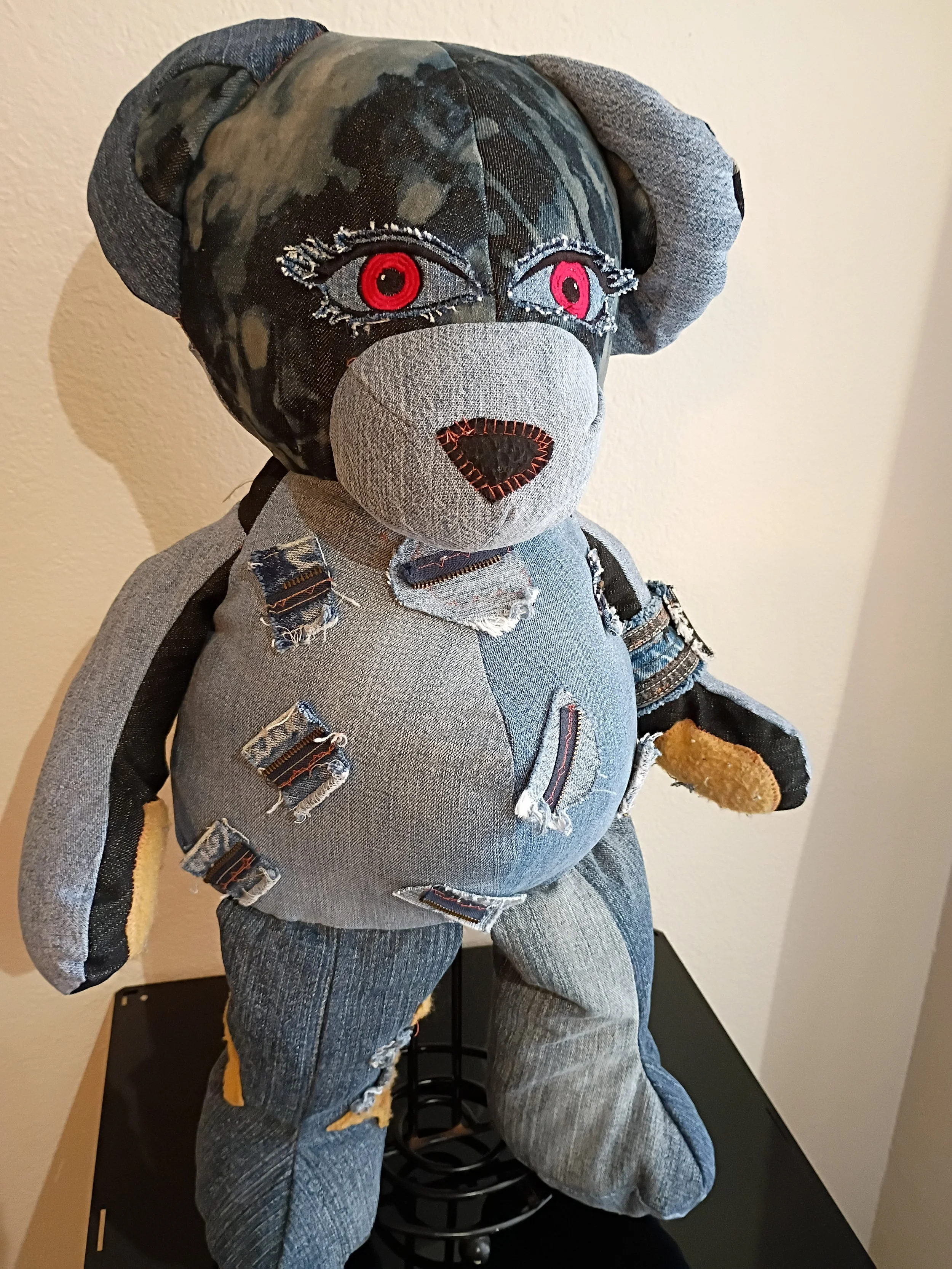
She is the woman who held herself together through sheer force of will.
For years, she kept everything zipped up tight. Her emotions — zipped. Her pain — zipped. The dreams she stopped believing in, the grief she never fully processed, the parts of herself she decided were too messy — all of it, carefully sealed behind rows of zippers that kept her presentable to the world.
Her eyes burned red from years of silent tears — pain that went unwitnessed and unacknowledged for far too long. She told herself this was strength.
At first, Zipporah was terrified. A woman who has controlled everything for this long does not know what it feels like to be undone. But what spilled out was not the disaster she feared.
It was her. Raw, unfiltered, unguarded, unmistakably real. The laughter she had suppressed. The grief she had earned. The dreams sealed away in the dark — still breathing, still waiting, still hers.
At her back, every patch of what she thought she had lost was stitched into something chaotic and beautiful. Every scar. Every irregular, imperfect piece of the life she had survived. Together, they were magnificent.
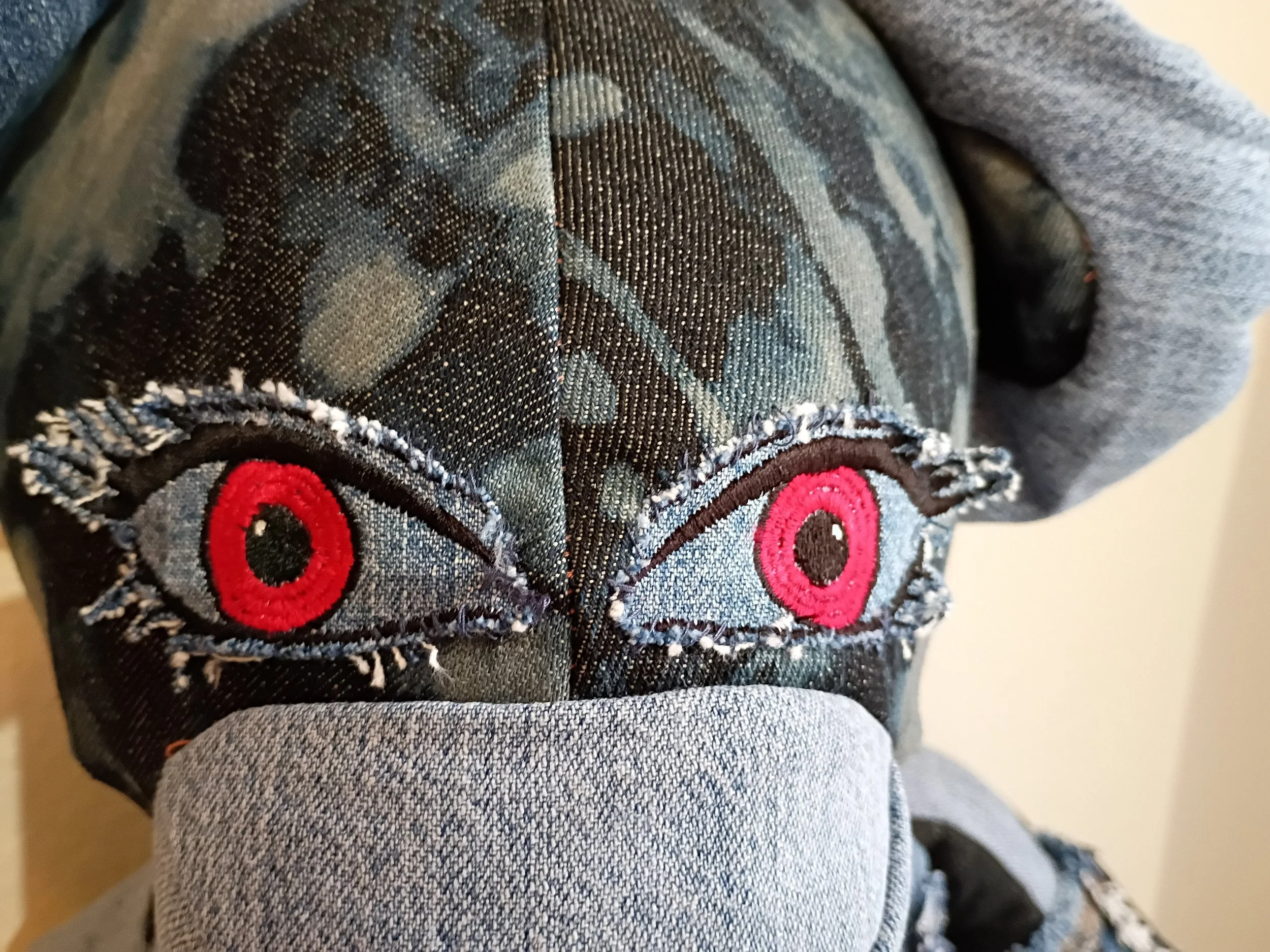
Figure two
Seraphina
The detoured dream
For the woman whose dream took a detour
She is the woman who had a plan — and watched life quietly reroute it.
She loved words. She loved ideas. Education was not just a goal for Seraphina. It was her identity. Her way of making sense of a world that did not always make sense on its own.
And then life introduced her to detours. Financial pressure. Responsibilities that multiplied faster than she could manage. Self-doubt that crept in quietly and began whispering that maybe she was not as capable as she believed. The straight lines she had planned began to twist, then twist again.
She carries that map still. Not as a monument to what she did not finish. But as a testimony to every step she took, every lesson she learned, every mile she covered on a road that looked nothing like the one she drew for herself.
And at the back of her head, almost hidden, are embroidered letters — faded some, but not disappeared. Because the mind that craved knowledge does not stop being brilliant simply because the classroom door closed too soon.
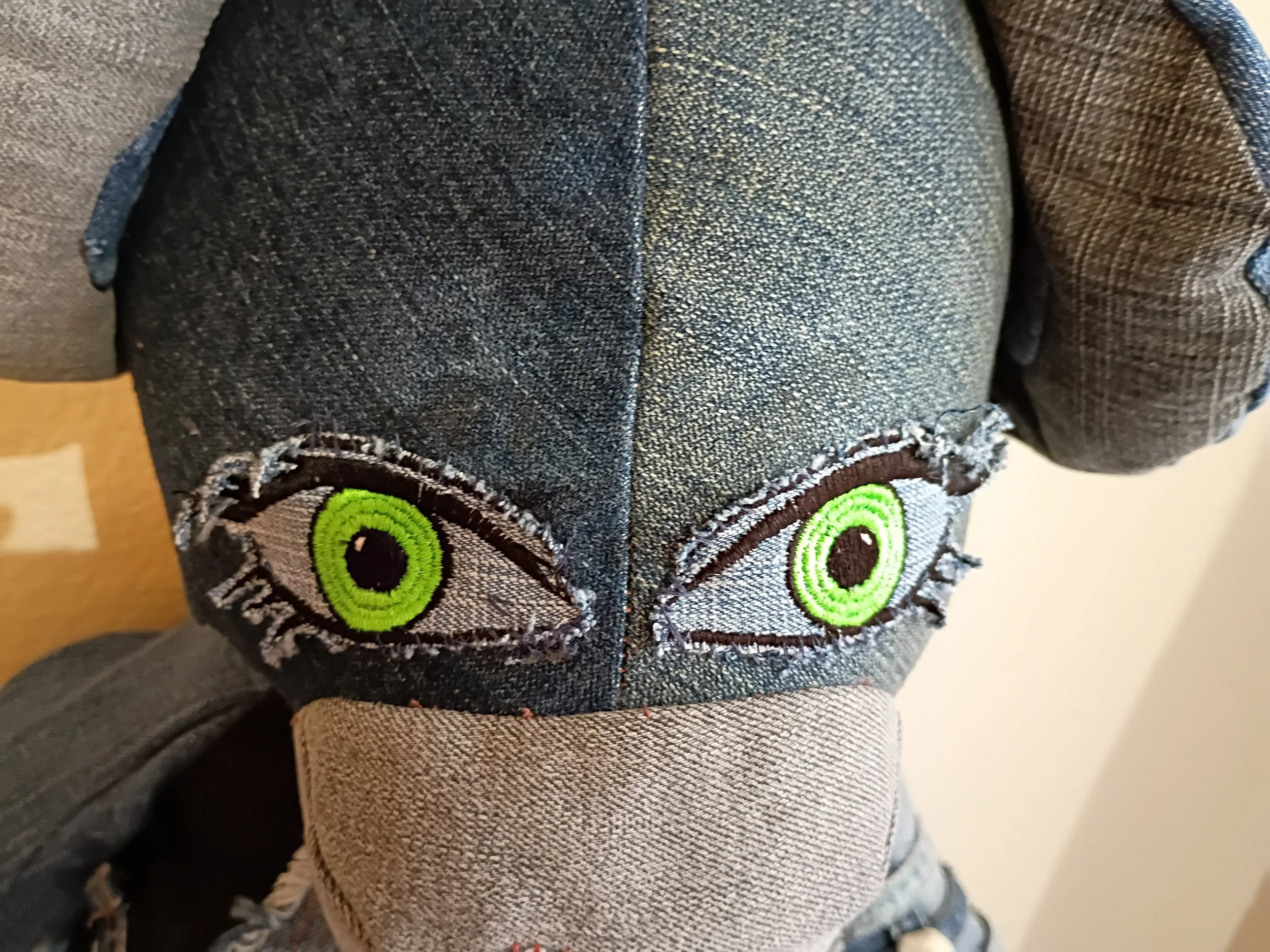
Figure three
Cora
The figure of connection
For the woman who sees everyone but herself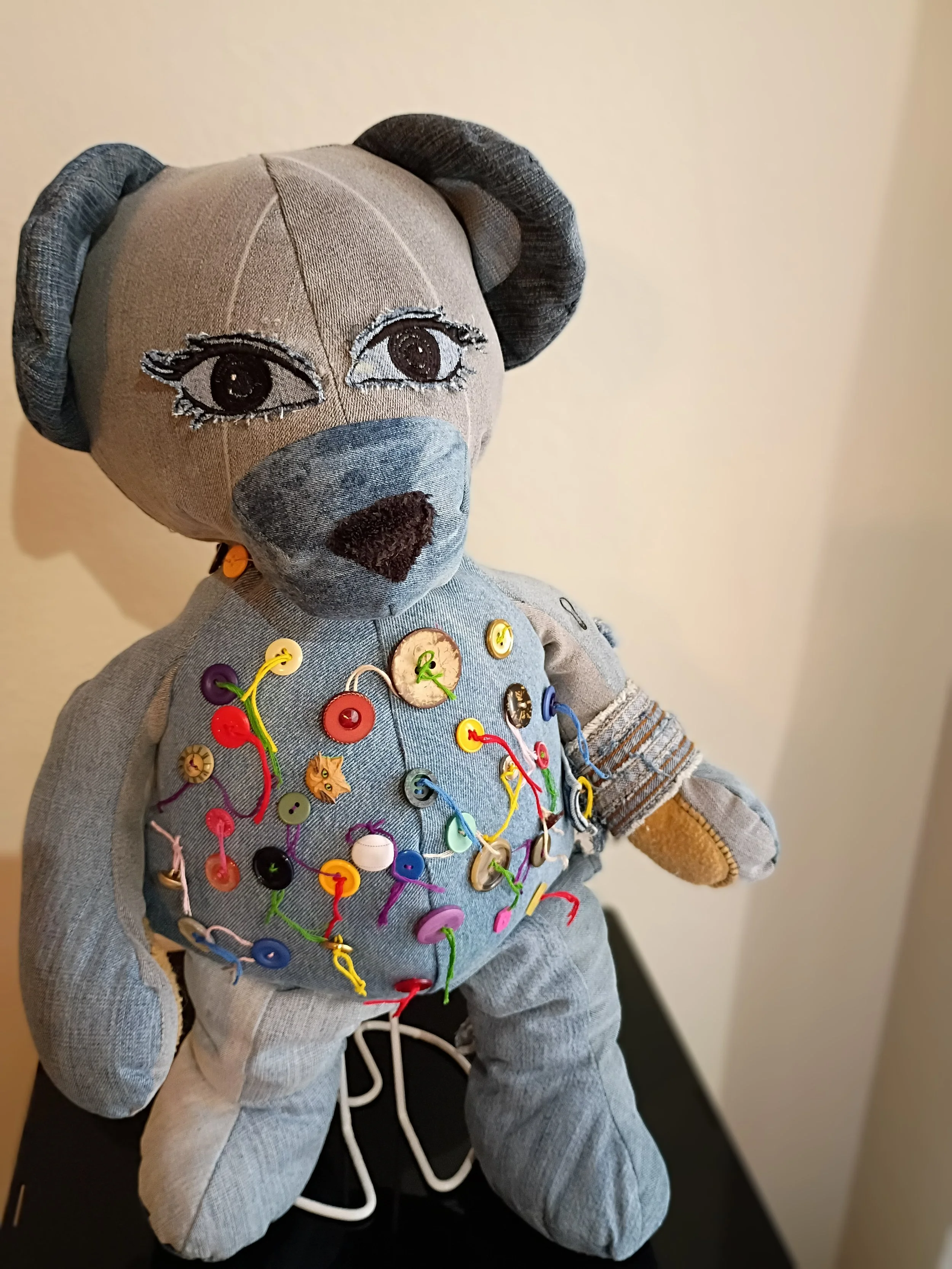
She is the woman who has loved many people across many seasons — and carries every one of them with her still.
Buttons of every shape, size, and color cover Cora's body — each one stitched with care. Some came from shirts worn during moments of joy, others from coats that weathered storms. A few are old and faded. Others bright and new. Every single one is a person. A memory. A moment when two lives touched and left a mark on each other.
For a long time, Cora saw her buttons as clutter. Too much history. Too many people. She longed to be unburdened, unadorned, like women who seemed to carry nothing. But she was wrong about herself.
Her piercing black eyes are not simply for seeing the world — they are for seeing into it. For finding meaning in what others overlook. For noticing the person standing quietly at the edge of the room wondering if anyone will see them.
Cora always notices. That is both her gift and the wound she had to heal. A woman who sees everyone so clearly can spend a lifetime being seen by no one.
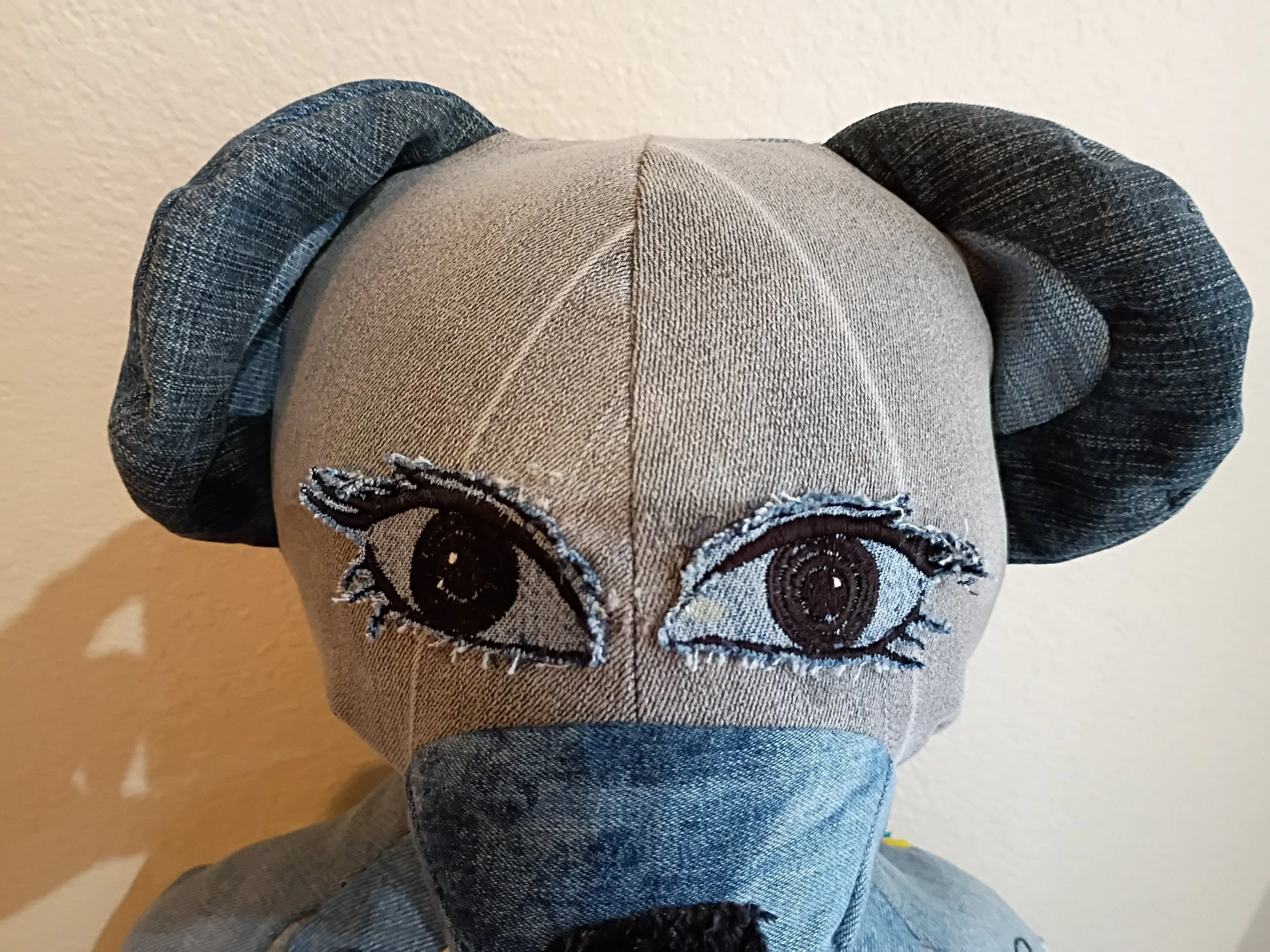
Figure four
Imara
Unyielding strength
For the woman who is still standing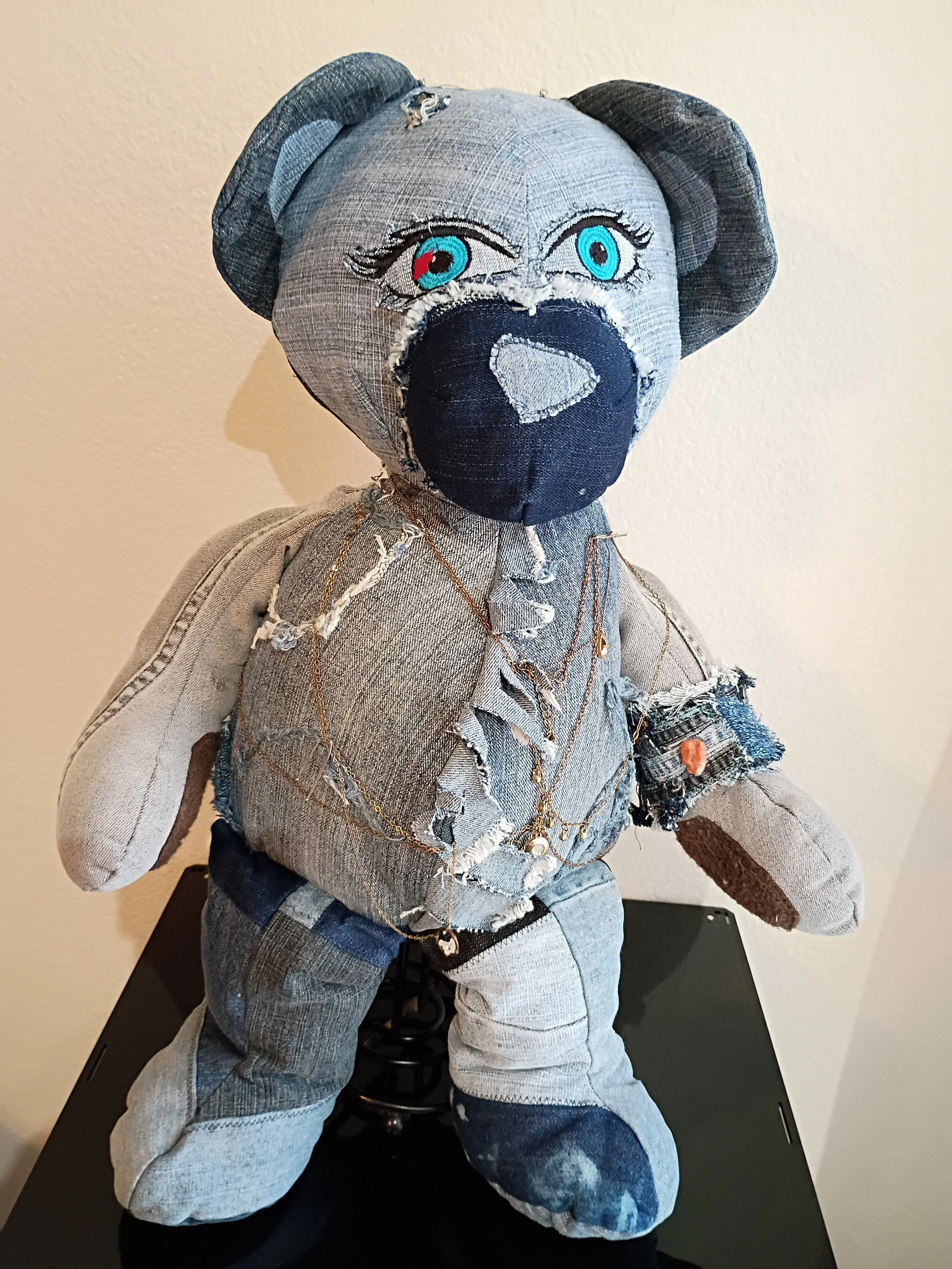
She is the woman who has been through things she cannot fully explain to anyone who was not there.
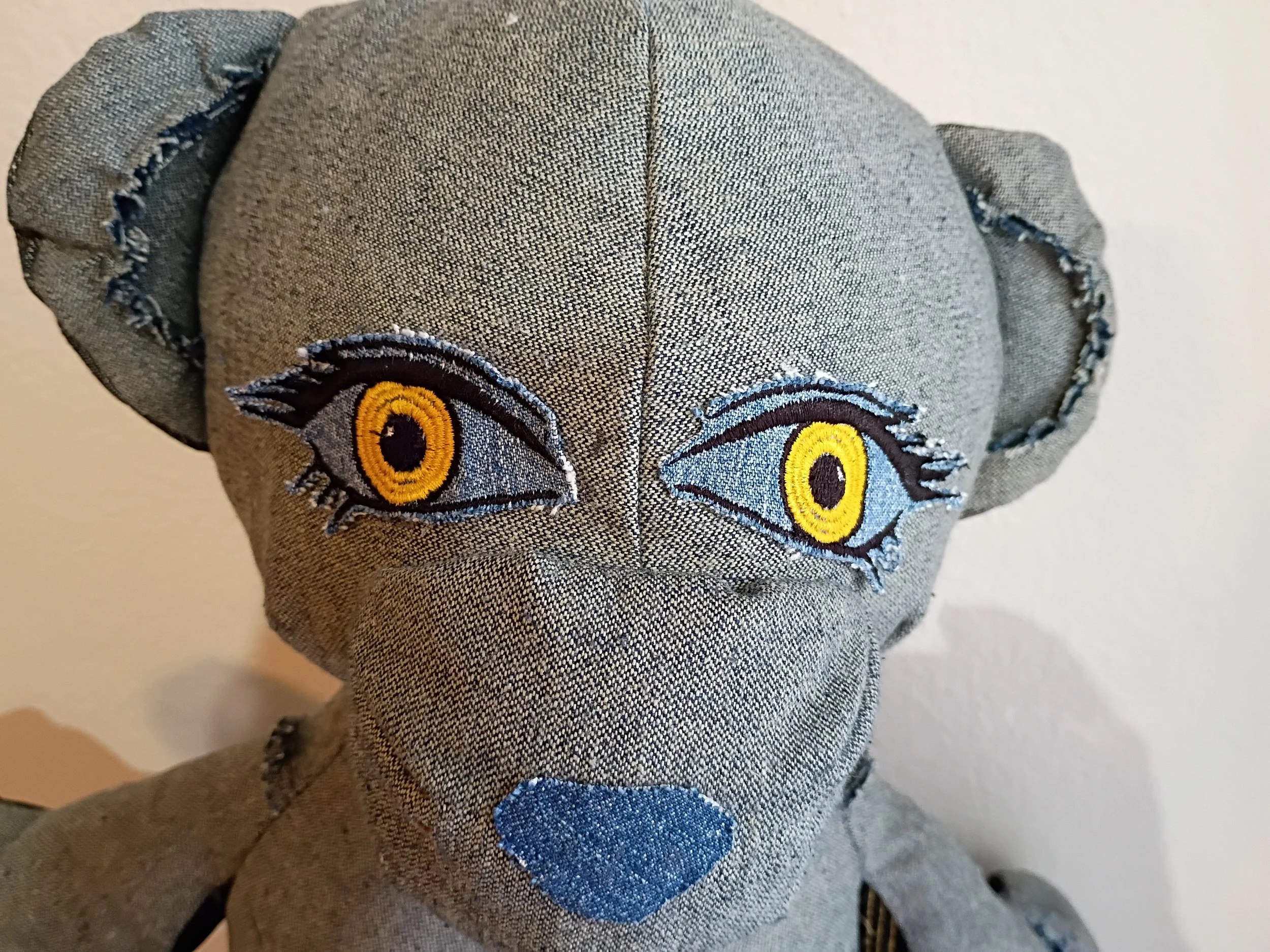
Her eyes have been changed by what they witnessed — shaped, even deformed, by old injuries that cut deeper than the surface. And yet they do not look away. They hold yours with a quiet, steady resilience that makes you understand, without a single word being spoken, that this woman is still here.
She carries fragments of her past embedded within her — pieces that never fully left, remnants of everything she endured that refused to be simply discarded or forgotten.
And then there is the chain. Heavy. Weathered. Worn smooth by years of being dragged.
At the back of her neck, there is the remnant of something that once constricted her — a band that kept her from lifting her head. It has been severed now. Cut clean. And in its absence she discovered the freedom to hold her head high.
Imara's name means strength — not the kind that comes from never being broken. The kind that comes from being broken completely and rising anyway.

Figure five
Ella
The resilient heart
For the woman who gives everything to everyone
She was not broken by hatred. She was worn down by love.
Not the gentle, replenishing kind — but the desperate, clinging kind. The kind that says you are the only one who understands me, the only one who can hold me together — until the woman doing the holding begins to come apart herself.
Her body tells the story her smile learned to hide. Patches of different colors and textures cover her — each one a season she survived. At her stomach, the rips and tatters finally gave way, revealing the soft inner parts of her that could no longer be concealed. Her spine is visible at her back. Not because she is weak. But because she carried so much, for so long, that the weight of it became the most honest thing about her.
For a long time, Ella tried to hide it. She patched herself up in ways that concealed the damage. She compared herself to figures who looked pristine — and wondered what was wrong with her. But hiding her wounds only made her feel more invisible inside them.
Ella's soft green eyes still hold warmth after everything. They say what she could never quite say out loud: I am allowed to be tended to as well.

Figure six
Aurelia
The gold in the cracks
For the woman made beautiful by her wounds
She is the woman who has been broken in places she never let anyone see.
The cracks came quietly at first — a word spoken over her that cut deeper than it should have, a relationship that shattered without warning, a season of life that left her in pieces she did not know how to gather back up.
And somewhere in the middle of all that breaking, she began to believe the lie that so many wounded women believe. That broken means finished. That damaged means disqualified. That the woman she once was could never be whole again.
But then something remarkable happened. Every crack, every tear, every jagged edge was carefully gathered — and stitched back together with gold.
The gold thread running through her wounds did not hide what she had been through. It announced it — with dignity, with radiance, with the quiet confidence of a woman who had survived and been made more glorious because of it.
Her purple eyes hold the depth of every season she has walked through. And when you look into them, you do not see damage. You see testimony.
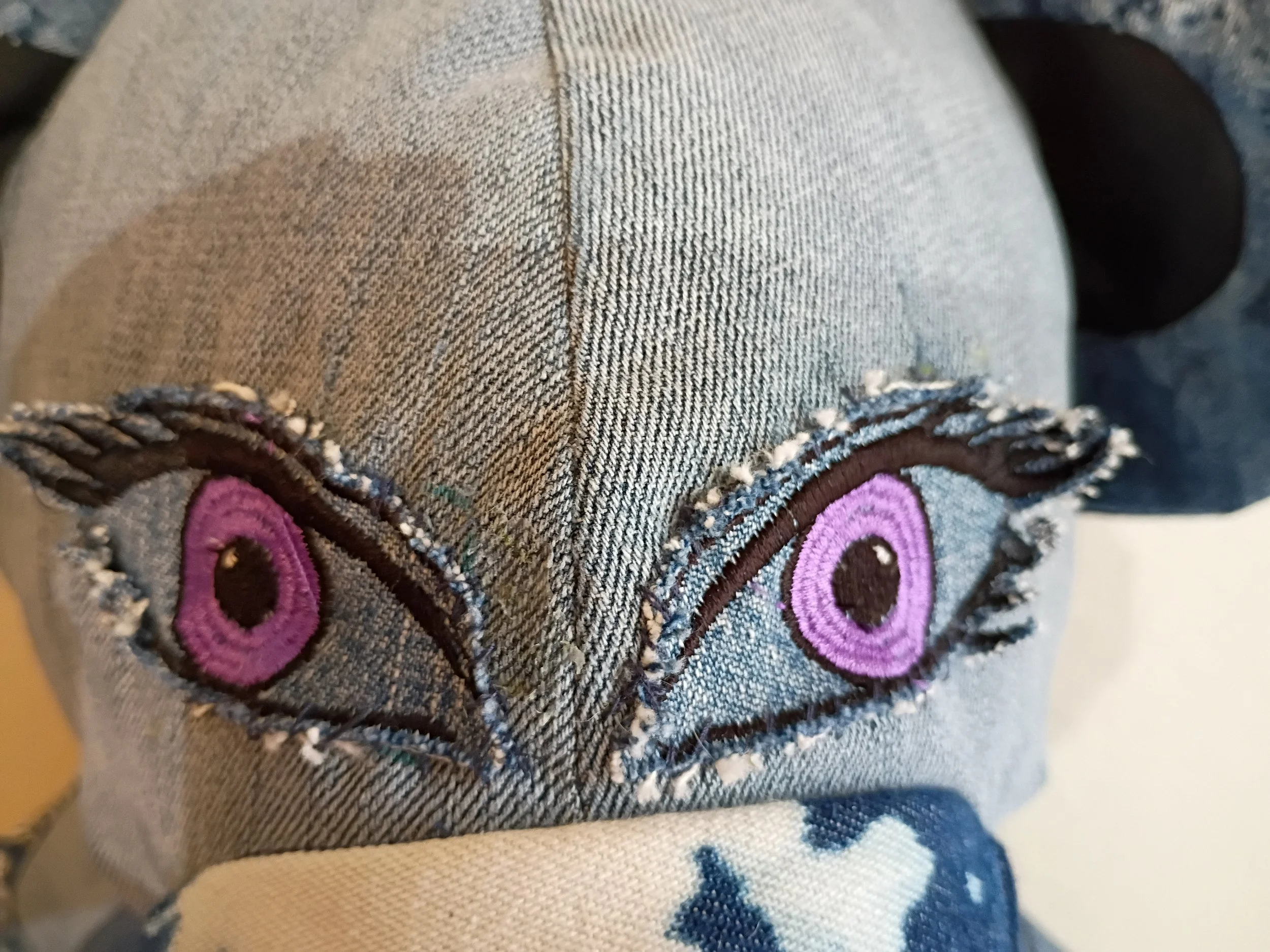
Figure seven
Selah
The sacred pause
For the woman who needs to breathe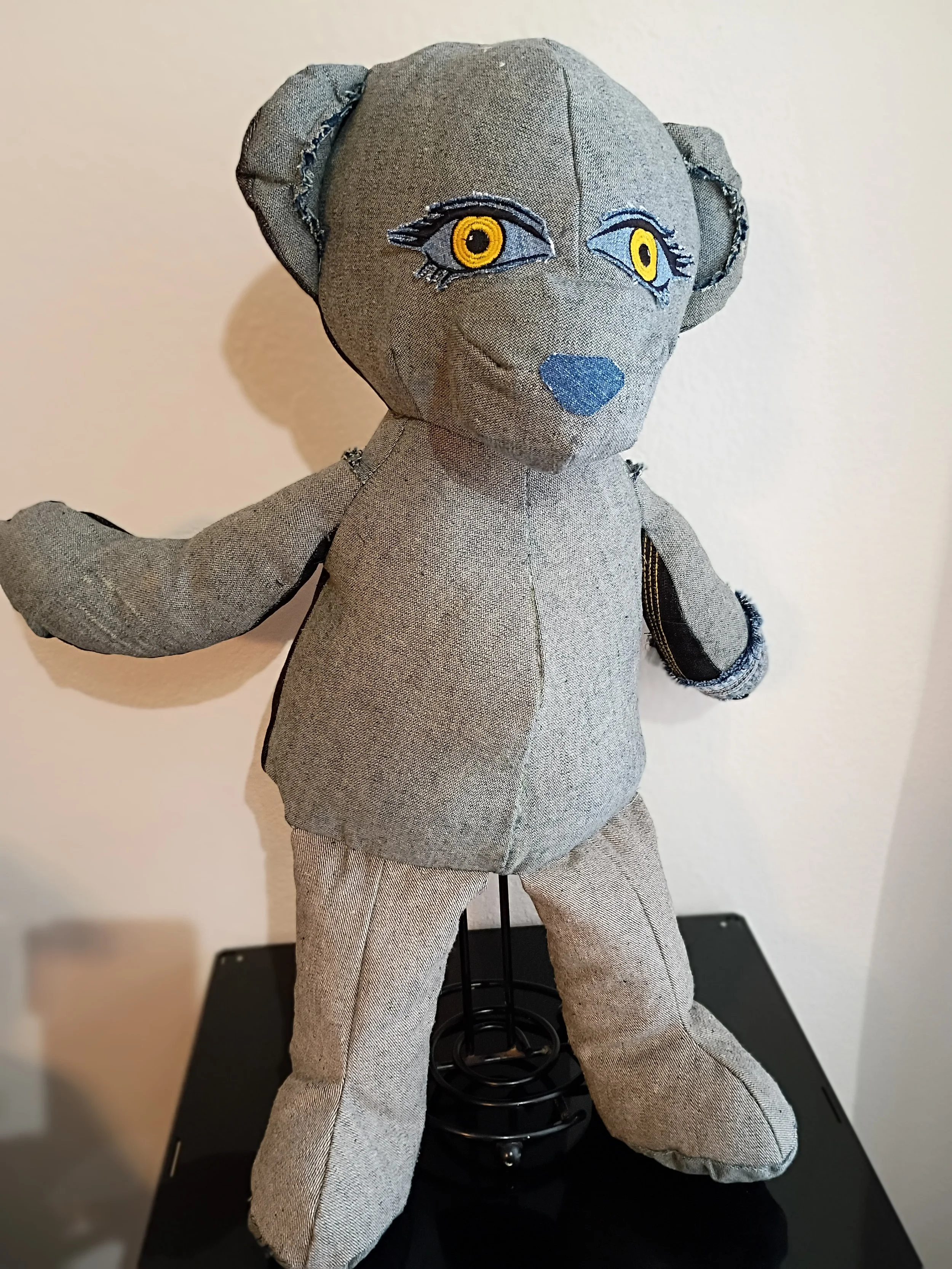
She is the woman who has not stopped moving in so long that she has forgotten what stillness feels like.
Her calendar is full. Her phone is always buzzing. Someone always needs something — and she always shows up. From the outside, she looks like she has it together. She is capable. She is dependable. She is the one everyone calls.
But inside? Inside, Selah is exhausted in a way that sleep cannot fix.
She carries the weight of everyone else's needs while quietly setting her own aside. She answers every question except the one her own heart keeps asking: When did I last stop long enough to just breathe?
Selah's name itself is the answer she has been searching for. In Scripture, Selah is a word found throughout the Psalms — a musical pause. A breath. A moment set apart to reflect before continuing. It is not a stopping. It is a sacred stopping.
Because healing does not happen in the rush. Purpose does not rise from the noise. And the woman you were created to be cannot be found when you are too busy surviving to simply be.
✦ The Window to the Soul Experience ✦
Which window is holding
your story?
Every woman who encounters the seven figures finds herself in at least one of them — and many find themselves in several. These are not characters. They are mirrors.